20% OFF
NITRO
NITRO Alternator Snowboard 2027
✅ Demo's available, see us in-store
Sale price $879.99 Regular price $1,099.99Unit price


 20% OFF
NITRO
NITRO Team Pro Marcus Kleveland Snowboard 2027
Sale price $959.99 Regular price $1,199.99Unit price


 20% OFF


 20% OFF
NITRO
NITRO Santoku X Drink Sexy Snowboard 2027
Sale price $999.99 Regular price $1,249.99Unit price


 20% OFF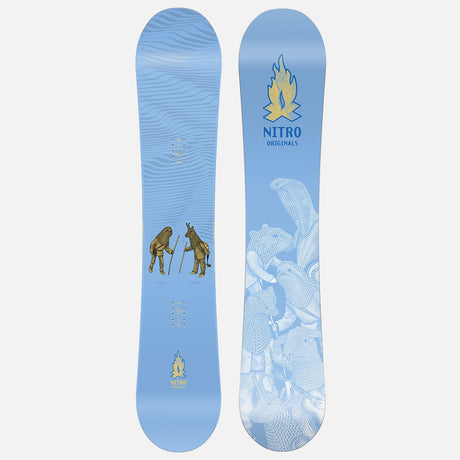


 20% OFF


 20% OFF


 20% OFF
NITRO
✅ Demo's available, see us in-store
Sale price $879.99 Regular price $1,099.99Unit price


 20% OFF
NITRO
NITRO Women's Zaza Snowboard 2027
✅ Demo's available, see us in-store
Sale price $799.99 Regular price $999.99Unit price


 20% OFF
NITRO
NITRO Women's Alternator X Hailey Snowboard 2027
Sale price $879.99 Regular price $1,099.99Unit price


Quest stocks snowboards for men, women and kids across every riding style, from all-mountain and freestyle to freeride and powder boards. Every board in our range is chosen by our Queenstown-based team who ride the Southern Alps themselves, so the advice you get comes from people who actually use this gear locally.
New to snowboarding or upgrading your setup? Our introductory guide to choosing the right board is below, or come and talk to our team in-store for advice matched to how and where you ride.
How to Choose the Right Snowboard
Picking the right snowboard comes down to six main things: the type of riding you want to do, the size of the board, its camber profile, flex, sidecut and shape. Let's talk about each of these factors...
Read moreRead less
Snowboard Types and Riding Styles
| Type | Best for | What it feels like |
|---|---|---|
| All-mountain | Riders who want one board for everything | Balanced and versatile across groomed runs, powder and light park use |
| Freestyle / park | Riders focused on jumps, rails and the terrain park | Playful, easy to press and manoeuvre, typically a twin shape |
| Freeride | Riders who spend most of their time on ungroomed, natural terrain | Stable at speed, holds an edge well on steep or variable snow |
| Powder | Riders chasing deep snow days | Often tapered with a setback stance to help the board float |
| Splitboard | Backcountry riders who hike or tour to reach terrain | Splits in two to work like skis for the climb, then joins together to ride down |
Snowboard Sizing: Length and Width
Snowboard length is guided by your height and body weight, with weight the more reliable measure of the two since it affects how the board flexes and performs. A simple rule of thumb: stood on its tail, a board should reach somewhere between your chin and the tip of your nose. Riders who prefer speed and stability generally size up slightly within their range, while riders who want a more playful, easy-to-turn board size down slightly.
Board width matters just as much as length, particularly for riders with larger feet. Your boots should sit just slightly over the edges of the board, by about one to two centimetres on each side. Too little overhang reduces leverage when you turn, and too much causes your toes or heels to drag and catch on the snow.
The most accurate way to size a board is to have it fitted in-store against your height, weight, boot size and riding style. Our team can talk you through this in person.
Camber, Rocker and Hybrid Profiles
The profile of a snowboard, meaning the curve along its base, affects how it grips, turns and floats.
- Camber: the board arches slightly upward underfoot and presses flat under your weight. This gives strong edge grip, consistent pop, and a lively, responsive feel, favoured by riders who carve or ride at speed.
- Rocker: the board curves upward at the nose and tail. This makes turning easier and more forgiving, and helps the nose float in powder, which suits beginners and powder riders.
- Hybrid: a mix of camber and rocker in the same board, aiming to combine the stability of camber with the forgiveness of rocker. Hybrid profiles are common on all-mountain boards built to handle a range of conditions.
Flex: Soft vs Stiff
Flex describes how much a board bends along its length and across its width.
- Softer flex boards are more forgiving and easier to control at slower speeds, which suits beginners, park riders and lighter riders.
- Stiffer flex boards hold their shape better at speed and on hard-packed or variable snow, which suits advanced riders, freeride terrain and heavier riders.
As a general guide, flex should increase alongside ability and the speed or terrain you ride.
Sidecut: How it Affects Your Turns
Sidecut is the hourglass shape you see if you lay a board flat and look at its outline. That curve along your board edge is measured as a radius in metres, and it has a big effect on how a board turns. A tighter (smaller) sidecut radius makes a board want to turn more sharply, which suits short, quick direction changes. A wider (larger) sidecut radius holds a longer, sweeping turn and tends to feel more stable at higher speeds.
In practical terms you don't need to worry about sidecut so much as the manufacturers will use a sidecut suitable to the type of board you are buying. But if you really want to understand the tech, it is worth knowing that there are different types of sidecut...
- Constant radius: a single, unchanging curve runs the full length of each edge. This gives a predictable, consistent turn shape.
- Progressive (variable) sidecut: the curve changes along the edge, often tighter near the nose and tail and wider underfoot. This blends quick turn initiation with a stable feel once the board is up on edge.
- Asymmetric sidecut: uses a different radius on the toe edge compared with the heel edge. This aims to make toe-side and heel-side turns feel more even, since most riders naturally have more leverage on their toes than their heels.
Snowboard Shape
- Directional: designed to ride primarily in one direction, usually with a longer nose than tail. Suited to all-mountain and freeride riding.
- True twin: identical nose and tail, so the board rides the same forwards and backwards (switch). Suited to park and freestyle riding.
- Directional twin: a twin shape with small directional tweaks, such as a slightly setback stance. A versatile middle ground for riders who want some switch capability without giving up all-mountain performance.
Choosing by Skill Level
| Skill level | What to look for |
|---|---|
| Beginner | Shorter length within your range, softer flex, rocker or hybrid profile, directional or directional twin shape |
| Intermediate | Medium flex, hybrid or camber profile, shape matched to your preferred terrain |
| Advanced | Flex and profile matched closely to a specific riding style, often stiffer flex and full camber for speed and edge control |
Snowboard FAQs
What size snowboard do I need?
Snowboard size is based mainly on your body weight and riding style, with height as a secondary guide. As a general rule, a board stood on its tail should reach somewhere between your chin and the tip of your nose. Riders who want more stability and speed typically size up slightly, while riders who want an easier, more playful ride size down slightly. For an exact fit, get sized in-store against your height, weight and boot size.
What are the different types of snowboards?
There are five main types of snowboards: all-mountain, freestyle (park), freeride, powder and splitboard. All-mountain boards are the most versatile and suit riders who want one board for everything. Freestyle boards are built for jumps, rails and the terrain park. Freeride boards are built for stability on ungroomed, natural terrain. Powder boards have a wider nose to help the board float in deep snow. Splitboards separate into two pieces so riders can hike or tour into backcountry terrain.
What's the difference between camber and rocker snowboards?
Camber snowboards arch slightly upward underfoot and press flat under load, giving strong edge grip and a lively, responsive feel. Rocker snowboards curve upward at the nose and tail, which makes them easier to turn and more forgiving, and helps them float better in powder. Many boards use a hybrid profile that combines both, aiming for the stability of camber with the forgiveness of rocker.
Should I get a soft or stiff flex snowboard?
Beginners, park riders and lighter riders generally suit a softer flex snowboard, since it's more forgiving and easier to control at slower speeds. Advanced riders, freeride riders and heavier riders generally suit a stiffer flex snowboard, since it holds its shape better at speed and on firm or variable snow. Flex should increase as your ability, speed and the terrain you ride increase.
What's the best snowboard for a beginner?
The best snowboard for a beginner is typically shorter within their size range, has a softer flex, and uses a rocker or hybrid profile with a directional or directional twin shape. This combination makes the board easier to turn, more forgiving of mistakes, and more stable at learner speeds. Our team can recommend a specific board once we know your height, weight and how you plan to ride.
Do snowboard bindings fit any board?
Most snowboard bindings fit most snowboards, since the majority use a standard mounting disc that matches common insert patterns. Some boards and bindings use different mounting systems, such as Burton's channel-based mounting, so it's worth checking compatibility before buying a board and bindings separately. If you're unsure, ask our team to confirm compatibility before you buy.
How often should I wax my snowboard?
How often you should wax a snowboard depends on how often you ride, but a good general guide is every few days of riding, or sooner if the base looks dry, feels sticky, or the board seems slow. Regular waxing protects the base from damage and keeps the board gliding smoothly across all snow conditions. Checkout our range of snowboard wax and tuning gear.
Should I buy my board, boots and bindings together?
Buying your board, boots and bindings together isn't essential, but it makes it easier to match flex and riding style across your whole setup. Boot flex should generally match board flex, and bindings should suit both your riding style and your board's mounting system. Buying as a set, or getting advice in-store when buying separately, helps avoid mismatched gear.
How wide should my binding stance be?
Binding stance width is generally set close to shoulder width apart, then adjusted slightly based on riding style and personal comfort. Freestyle and park riders often set their stance slightly wider for stability doing tricks, while all-mountain and freeride riders often set theirs closer to shoulder width for balanced control. Stance angle, not just width, also affects comfort and should be adjusted to suit your riding style.
Can I get help choosing the right snowboard in-store?
Yes. Our Queenstown-based team can help you choose the right snowboard, boots and bindings based on your height, weight, ability and the terrain you plan to ride. We recommend an in-store fitting if you're buying boots or bindings, since fit varies between brands and makes a noticeable difference to comfort and performance.